
Where can the old and the new meet?
That’s the question I ask myself when dissent from 3 members of the Fed isn’t reported as healthy disagreement. The legacy press considers raising the federal funds rate as the only way for the economy to work.
Pulling that lever raises interest rates to kill demand. Something expected when employment is higher than it was.
And under “normal” circumstances the legacy press remembers, that may hold true.
Except we never got past the biggest supply shock in our lifetimes.
Keeping up
COVID lockdowns, that “thing everyone wants to put behind them,” raised demand with handouts while limiting supply. Workers are just now (six years later) weaning off special $24/hour unemployment assistance programs to work a $21/hour manufacturing job from which they won’t no call no show from after two days of employment. $21/hour is a comfortable wage in my area, yet entry level workers with zero skill or experience overlook it in search of something better.
But interest rates aren’t the way out of that. The way out of this one is making more stuff to meet demand.
Six years of higher demand is enough to say it’s not going anywhere and worth investing in the extra capacity to serve it. And the way to make more stuff is for people to show up to work.
But that’s not the answer the mainstream media is used to.
Sorting ideas
It’s hard to let go of tools that worked during an emergency when the emergency no longer exists.
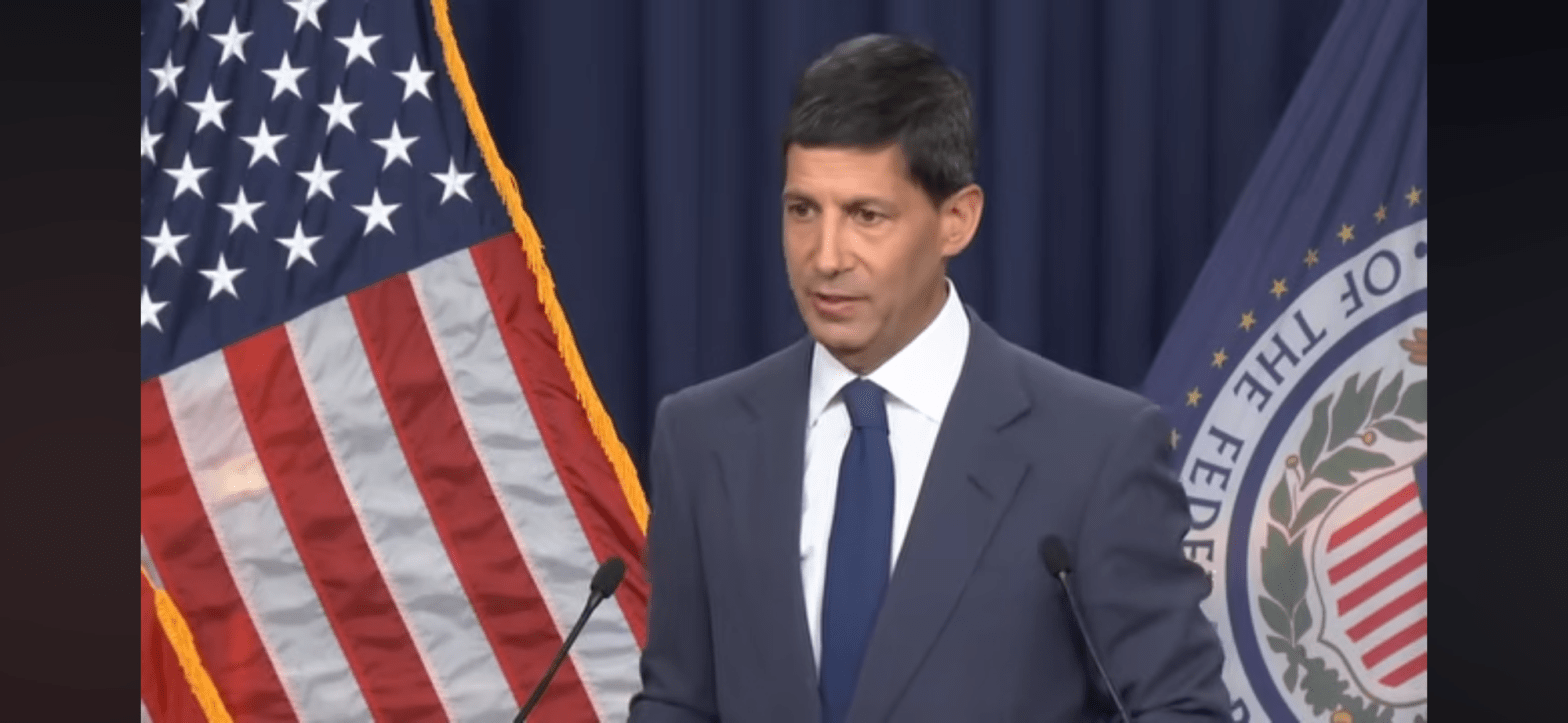
And they hammered Fed Chair Warsh about not wanting to use these tools as the primary levers for directing interest rates. If heads exploded from information overload, it would be these three guys.
Watching him challenge their presuppositions on how things work created high entertainment value.
But let me pause to recognize Colby Smith from NYT. She won the press conference with her question.
Not just because Warsh said that was what the conversation sounded like. But because her question gave me confirmation bias.
“How are you factoring in that a large portion of the inflation overshoot is being caused by supply shocks, as it’s being mentioned again in the statement? Does that blunt the effectiveness of rate hikes in your view?”
Colby Smith, New York Times
Because there are a lot more levers Main Street has control over. And the Fed getting involved to chase 2% inflation at the expense of killing demand (which means fewer orders, job destruction, and less money in your paycheck) just because they can is less than ideal.
One lever I’m really happy they stopped pulling: buybacks on mortgage backed securities and limited rollovers of treasury bills. Money supply keeps expanding over $100 billion every month, which is exploding the cost of goods on Main Street. Demand is high, but not for more currency to slosh around in our system.
Plus, the Fed is supposed to be the lender of last resort. Borrowing from the Fed used to mean you went outside your guardrails. And while there’s a lot of opportunity worth borrowing against, not everyone is excited to get over their skis again.
Don’t send Finance to do Operations’ job
So leaving action to the markets instead of pulling financial levers doesn’t worry me.
Here’s where I think Warsh is right. And it has me excited.
Orders are still growing pretty fast and light auto sales hit a record high last month. Contractors I talk to in my region are reporting full capacities. Barriers to housing starts are being removed. Corporate earnings estimates keep growing.
Down here on Main Street, I don’t need higher interest rates. I don’t need lower interest rates. I just need to get materials unimpeded so I can keep making stuff.
Sustained, high demand is the signal that I need to keep making stuff. Raising interest rates kills demand.
I don’t want the Fed to kill demand.
I want to keep making stuff people want.
Give the market a chance to make these new tools work.
Don’t miss the next round of thought leadership. Subscribe today to have it delivered directly to your inbox.
Read these related posts before you go:

